| |
 |
| EBP Kent offers a comprehensive career service, including: individual and group guidance, careers fairs, employability days and learning through work. Click on one of the images below for taster information. |
|
Job hunting?
Have a plan in place
Your plan may include an intense period of
writing letters to employers, making phone calls, sending
emails and personal visits. Some people like to work in
these bursts of energy other may prefer a regular approach,
perhaps having a personal target to send two letters every
day.
Whatever your approach it is important to
have a plan and follow it through as job hunting can have
its ups and downs and having a plan is a way of keeping
the control in your hands and being able to keep going without
giving up.
|
|
A note
about safety
If you make personal visits to employers
it is best to visit established employers like shops, offices
or companies with a proper reception or office.
This may not always be possible so go with
a chosen friend, make sure you tell someone where you are
going and have a charged phone with you.
|
|
Persevere
don't give up
If after some weeks of searching you have
not yet found your first choice you may think of a “Plan
B”. This is always a good idea and thinking more broadly
about what you would like to do is a positive and realistic
thing.
For example you may want to work in an estate
agent’s office but looking for other types of business
related jobs can be a useful stepping stone.
Think of the skills an estate agent may be
looking for...people skills, ability to use the phone, and
communicate with people, the ability to sell and to talk
to customers. These are all skills you could develop within
other jobs which are not your first choice.
|
|
Approaching
employers
There are several ways of approaching employers
for work:
|
|
| Remember: make
your first impression a good one! |
|
|
| |
|
|
|
| |
| Approaching
employers - Visiting in person
Things to think about: |
 |
Tell someone where you
are going
Tell a family member what you
plan to do, where you are going and when you expect
to be back |
|
Consider bringing a
friend
This is helpful, not just form
a safety point of view but job hunting can be a bit
lonely and tiring without support. However your friend
will need to be patient and the kind of person that
would be able to support you appropriately |
|
Take a mobile phone
with credit and charged
If you are handing your mobile
numbers to employers you need to be contactable. A receptionist
could pass your CV to a manager while you are making
your visits |
|
Stick to employers
that have a proper reception or areas where the public
visit
Some employers are situated in
areas off the beaten track. In these cases a phone call
is probably better |
|
Bring CVs- You won’t
have a chance to go back and get more copies, make sure
you have a good supply
A CV “speaks for you”
especially if you don’t know what to say and it
can quickly change the situation into a businesslike
transaction where the employer understands what is being
asked of them |
|
Dress in smart clothes,
be polite and think about you come across
You will probably find employers
will give you more time and attention if you dress smartly
and come over in a business-like way |
|
Prepare what you are
going to say beforehand
It’s a good plan to rehearse what you are going
to say beforehand. After the first few employers you
will find it much easier |
|
|
|
|
|
| Approaching
employers - Phoning
Things to think about: |
|
Have everything you
need, pen paper, information, charged phone
Make sure you have everything
you need to hand. A charged phone, working pens, paper,
details of the employer. It is easy to get muddled so
being organised in this way will help to relax you. |
|
Think about the environment
Think about your situation. Is
the area quite and free from interruptions, is there
a table so you can write without having to juggle with
the phone, |
|
Rehearse what you are
going to say
Rehearsing what to say will help
to relax you. You may use the exact combination of words
with each employer. Something like “I going to
be leaving school in the summer and I’m looking
for a job or apprenticeship and I was wondering if you
were likely to have anything like this come up in the
near future” |
|
Be confident
An employer may be busy but they
will hopefully be happy to spare at least a few moments
with you on the phone. One day you may be on the receiving
end of such calls, this will be your chance to be nice
to a job hunter like you! |
|
Take your time
Every time you phone an employer
it is good to be positive and treat every call as a
separate and new opportunity. This will slow the pace
what you say and you will come over much better to the
employer. |
|
Keep records
Often an employer will suggest
you phone back at a particular time or date. Remember
to ask for the details of the person you need to talk
to and keep a record to what to do and when. Some people
love to keep note books or folders. Make the system
your own, however you prefer to work. |
|
|
|
| |
| Approaching
employers - Writing letters and
sending CVs
Writing letters and sending CVs can be a good
way of introducing yourself to an employer but a letter can
be followed up by a phone call to increase the effect.
Writing a CV
Here is an example CV. Remember that you are in charge of
how the CV looks and what sections and heading you use. For
example on the section called “Skills Profile”
use your own heading which include your best qualities and
skills. You could use the following: |
Ashley Smith
12 Town Street
Ramsgate
CT11 8GF
07523 8132090, 01843 711111
ashleysmith91as@yahoo.co.uk |
| I am a practical and energetic person.
I enjoy working with my hands and I like to be busy.
I enjoy working with wood and make things at home
in my spare time. I am keen to find a practical
job where I can learn new skills. |
Education and
Qualifications
2007 – 2012 Longford School |
| GCSEs |
Expected
grades
|
| English |
C/D |
| IT |
D/E |
| Maths |
D/E |
| Design Technology |
B/C |
| Science (Double) |
C/D |
| Work
Experience |
2011
(2 weeks)
AB Builders, Ramsgate
I helped to fix plaster board and floorboards
and painted them with primer. The employer gave
me a very good report and said I was “very
enthusiastic”.
|
Skills Profile:
Practical Skills – I enjoy Design Technology
with is my best subject. I have made and designed
variety of things using wood, metal and plastic.
Team work – I particularly enjoy football
and other team sports. I am a school prefect and
have been a member of the Army Cadets for two
years.
Reliability – I have 100% attendance last
year at school |
| Interests:
|
I
enjoy DIY in the garden, fixing fences, repairing
paths and I helping to put in a new shed. I also
enjoy helping my neighbour with his car, checking
tyres and oil.
|
| Employment:
|
I
have had paper round, delivering the weekly paper
in the area. I also worked with a family friend
helping to prepared for a wedding including preparing
tables and clearing up afterwards
|
| References: |
Good
references available on requests including school
and character references
|
|
|
|
Other tips for our CV
|
| |
Spelling
and grammar
|
|
|
|
Check spellings and not
just with a spell checker |
|
Check what you have said make sure it makes
sense and is good English |
|
Make sure you don’t
use American spelling |
|
|
| |
Being to
the point
|
|
|
|
Employers may skim read |
|
Use attention grabbing phrases or even
bullet points |
|
Think about what you are
trying to say |
|
|
| |
Relevance
|
|
|
|
Tailor your CVs to suit
the type of employer you are using it with |
|
Bring these requirements out in your CV
(if it’s a shop they will want to know how you get
on with people) |
|
What is the employer is
specifically seeking? |
|
|
| |
Relevance
|
|
|
|
Tailor your CVs to suit
the type of employer you are using it with |
|
Bring these requirements out in your CV
(if it’s a shop they will want to know how you get
on with people) |
|
What is the employer is
specifically seeking? |
|
|
| |
The overall
look
|
|
|
|
Think about what your
CV looks like aesthetically |
|
Use lots of white |
|
Don’t write too
much |
|
Think about the quality of paper (very
cheap paper doesn’t look as good) |
|
| |
Evidence
|
|
Support statements about yourself... |
| |
...“I am good with people and can communicate
well with others”
“My experience with the Air
Training Corps as a Corporal has helped me to develop my interpersonal
skills” |
| |
Making the most
of yourself
|
|
|
|
If you are good at something
tell the employer |
|
It is easy to undersell yourself but this is
your opportunity to sell yourself to an employer |
|
Don’t miss out important
information about your skills, qualities, prizes, achievements |
|
|
| |
Checking
|
|
|
|
First impressions are important
get someone to give your CV a 30 second check to make sure
it comes over well |
|
Ask for constructive criticism
|
|
Get several people to check
your CV through properly |
|
|
| CV covering letter |
A letter which is sent with a CV doesn’t
have to be long but in a short space you need to be able to
get your message across. You may say something like
“I am currently seeking work or training in the construction
industry. I have a particular interest in bricklaying and
carpentry but I am also interested in all building trades.
I have had some work experience with AB Smith which I really
enjoyed. I helped with plaster board fixing and finishing.
I would be very interested to hear about any possible opportunities
that you may have within your company and would be available
to call along for an interview at any time that is convenient
with you. I have enclosed my CV which includes further information
as well as my contact details. I look forward to hearing from
you”. |
|
|
| |
| Approaching
employers - The interview
An interview may happen at a moment’s
notice following a period of job hunting perhaps. It is important
to be ready for the event. The following section looks at
what to expect and how to prepare.
What are employers looking for? |
Communication skills
A lot is to do with being comfortable
when talking to people and this is something that you
can develop as a skill
Usually on the top of the list with employers is “communication
skills”. This can mean how you come over in an
interview, how you deal with people, whether you are
polite or confident or enthusiastic. Everyone has a
different personality and it is important to develop
your skills and make the most of what you have. If you
are quiet or shy you can still be a good communicator.
A lot is to do with being comfortable when talking to
people and this is something that you can develop as
a skill. |
|
Commitment
Employers want to see if you are good
at sticking to things
Evidence of this could be your good record of attendance
at school, a good work experience report, belonging
to organisations such as scouts or sports clubs or learning
an instrument. Employers want to see if you are good
at sticking to things or likely to give up at the first
barrier. Anything you can be ready to use as an example
to show this will be helpful.
|
|
Team work
This subject often comes up at
interview and it is good to have a couple of examples
of times where you have worked effectively as part of
a team
If you are able to get on with other people, whether
they are customers, staff members or managers, you are
likely to do well at work. This is a valuable skill
whether you are still at school or have been working
for some time. Things get done much easier if the group
cooperates with each other. This subject often comes
up at interview and it is good to have a couple of examples
of times where you have worked effectively as part of
a team. |
|
Previous work experience
Any jobs you have done can be a helpful
source of information about you
If you are still at school you may have taken part
in a work experience placement at school or had a part
time job or have worked with a family member, employers
will be keen to know how you got on. Any jobs you have
done can be a helpful source of information about you.
It is your chance to give positive statements at interview
about your attitude to work. “I worked with my
brother over the summer laying a path It was hard work
in the sun all day but I enjoyed it”. “I
did two weeks in a local hairdressers, I was on my feet
all day and came home tiered but I loved it there, the
staff were so friendly”.
|
|
Flexibility
Employers like to see a willingness
and ability to do a variety of things whether this be
making coffee for everyone or taking a phone message
even if this is not your job
Employers may expect you to drop what
you are doing and do something different. Sometimes
this is hard especially when you are focused on what
you have been told to do but the ability to work flexibly
mean that you are happy to multitask. This is not always
a natural thing to do but it is a very useful skill
in the workplace. Employers like to see a willingness
and ability to do a variety of things whether this be
making coffee for everyone or taking a phone message
even if this is “not your job”.
|
|
Initiative and lateral
thinking
Employers like employees who can work
intelligently, think ahead and use their initiative
Employers like employees who can work
intelligently, think ahead and use their initiative.
For example from work experience you may have some examples
you can use
....a couple of times you finished work early but rather
than sit around you tidied up and looked for other things
to do
....when you noticed you were running low on certain
things in the shop you told the manager who was pleased
for the information so he could reorder
|
How to deal with interviews
Interviews can vary a great deal. With
some employers it may take the form of an informal chat,
others may include several staff members sitting behind
a table in a boardroom. Whatever the set up of the interview
it is your chance to show the employer that you have
the skills and experience they need. Make sure you get
across the things that you think the employer is looking
for from the job description.
|
|
Four Things to Remember
1. Be prepared
.....say to yourself “I am in
the right place, at the right time and I have everything
I need” in this way you are taking control of
the situation.
If you have prepared the day before it
can really help to take the pressure off. Thinking about
what to bring and where to go will mean you won’t
be panicking on the day. Make sure you have looked the
place up on the web, use “street view” if
you can, check bus or train times, find out as much
about the company you can. On the day itself, don’t
catch the bus that will just get you there in time,
get an earlier one. Before you go in say to yourself
“I am in the right place, at the right time and
I have everything I need” in this way you are
taking control of the situation.
2. Think
about what to wear
Dressing well will show the employer
that the job matters to you
If you don’t know what to wear it
is generally better to dress more formally, a suit or
smart clothes and tie or business-like dress. Generally
trainers are not a good idea unless your employer has
clearly said “come as you are”. Get advice
from people who have been for several interviews before.
Dressing well will show the employer that the job matters
to you even before you start the interview
3.
Take your time
Employers are not trying to catch
you out they just genuinely want to know who will be
the best for the job…
It is easy to say “relax” but this is not
always easy, especially if you really want the job.
Don’t be afraid pausing and thinking about what
to say before you answer a question. This will give
you time for your brain to work. You may have some great
things to say but if you rush you may forget to say
them. Employers are not trying to catch you out they
just genuinely want to know who will be the best for
the job and in order to do this they need to get you
talking about yourself.
4. Notes
are good
It is quite acceptable to have
a small notepad with you and actually looks quite professional
It also helps to give you space in an interview for
you to think. Use this to write down certain things
you might like to say. Often certain things you have
done can be used to answer all kinds of questions. During
your work experience you may have helped customers to
find what they are looking for. This could be used to
answer questions about communication skills, using your
initiative, previous work experience, what you enjoyed
at work, being flexible, how you have solved problems.
|
|
What sort of questions
might you be asked?
Employers use questions to get you
talking and to see how you communicate but they also
ask questions to find out what kind of person you are
and what kind of experience you have had There are different
types of questions, some are “open” and
are aimed to help you to say more than just a couple
of words, some are specific, perhaps challenging others
are more thoughtful, encouraging you to think
Open or “general”
questions
" why do you want the job?”,
“tell me about yourself?”
Specific questions
“what experience do you have that might help in
the job?”
“what did you dislike about your last job”
Thoughtful questions (where you have to think how to
answer)
“ tell me a time when you achieved something as
part of a team”
“give an example of something you did that you
were proud of”
|
Interview Tips
Stick to positive experiences
Never say bad things about your last employer, this
may indicate, wrongly, you are a negative person |
Pauses
aren’t bad
Don’t be afraid of pausing before answering questions
this will give your brain time to work It can also slow
the interview down which will give you time to think
through your answers |
Prepare
the day before
Prepare well, think of examples of things you can weave
into all kinds of answers, things you did during work
experience, projects or events you have taken part in,
organisations you have belonged to |
|
Practice makes perfect
Practice answering interview
questions out loud, perhaps record yourself and play it
back if possible. Then answer the same questions again
and see how you improve each time you try. You will find
it is like storey telling and your brain gets used
recalling the information which can be used in answering
different
questions. |
|
|
|
|
|
|
Apprenticeships |
|
If you would prefer to work when
you leave school an apprenticeship will give you the
opportunity to work towards a job related qualification
while working. There are several things you need to
think about.
Which level is right for
you?
Often apprentices
work towards a “level two” qualification but if you
already have 4 or 5 GCSEs at a C grade, or above, you
may possibly be able to be studying towards a “level
three” qualification. With some practical trades (things
like carpentry, catering or hairdressing) you would
start at the lower level because you won’t necessarily
have had the chance to learn the basics of the trade at
school. Whatever level you start at some apprenticeships
will lead to long term training in trades and
professions potentially even to HNC, HND and Degree
level.
Is it a
permanent position or for a specific length of
time?
Some employers will
make a commitment to employing you on a permanent basis
from the word go. Some may offer you a permanent
position at a later stage, perhaps depending on
opportunities developing within the company. Some offers
are for an agreed period only, usually a year, where you
will be able to gain skills and experience and then move
on. These can still be useful opportunities but it is
important to know this before you start.
Looking for an
apprenticeship
Often opportunities are
advertised on apprenticeships.org.uk or other similar
websites. Frequently employers may post these over the
summer and as late as July and August. Approaching
employers directly can also lead to opportunities. This
will depend on the type of work but employers with a
reception point are easiest as you can visit the
employer in person and drop off a CV
For information about courses use
www.kentchoices4u.com
| | |
|
|
|
|
Sixth form Courses |
|
Sixth forms may offer a wide range
qualifications, usually at level three, including A
levels in familiar subjects like History, Biology and
Maths or “Vocational” qualifications (job related
subjects) such as Health and Social Care. It is
important to find out as much as you can about the sixth
form before you go. Does its study style and atmosphere
suit you? Ask around and try to find out more about
these kinds of things before you go for interview.
The
frequency and quantity of homework may be a helpful
guide. At interview is good to say why you want to join
the school and show commitment in wanting to do well. If
you have a career plan or other long term plan this
could be useful to mention at interview as it also shows
a reason behind your commitment to study. For
information about courses use
www.kentchoices4u.com
| | |
|
|
|
|
College Courses |
|
Local colleges usually offer a wide
range of vocational (job related) subjects and some will
offer academic subjects such as GCSE retakes and A
levels. Subjects range from practical subjects like
painting and decorating or beauty therapy to technical
subjects such electrical engineering and medical
science. Usually colleges offer courses at a wide range
of levels from level I, and lower, to Degree level.
Colleges
include students from a wide range of age and background
and this can give the whole experience of going to
college a different atmosphere. If you decide to go to
college you will need to be able to work independently
and be self motivated toward studying. Think about the
study style, which may be different to what you are used
to. Talk to tutors and students about the kind of work
pattern you might expect. For information about courses
use
www.kentchoices4u.com
| | |
Examples of Vocational Qualifications
-
Construction |
|
|
|
General Construction
General construction courses offer
the chance to study a number of trades alongside each
other. Commonly these might include things like
bricklaying, carpentry, plumbing and electrical as well
as other trades. These are useful for students who are
undecided about which trade to specialise in but they
can also link with professions such as surveying and
site management.
Names of
courses in this field can include:
|
| |
|
|
|
Bricklaying
Bricklaying courses include classroom and
practical aspects. You will learn how to build walls,
chimneys, arches and piers as well as well as how to prepare
materials for mixing and make calculations. You will also
learn about working at heights and cover safe working
practices.
Names of courses in this
field can include:
|
|
Trowel Trades
|
|
Brickwork
|
|
Bricklaying |
|
| |
|
|
|
Carpentry
A carpentry course will teach you how to
work from plans, use a variety of machinery and hand trowels,
saws, gauges, squares and chisels to make window frames, stair
cases, roof joists as well as how to make a range of joints.
The course will teach you about working on site and cover
health and safety aspects.Names of courses in this field can
include:
|
|
|
|
|
Electrical
Electrical can vary but “electricians”
courses (often called electrical installation) can include
anything from wiring in a cooker to wiring up a new home on a
building site. Check the detail of the course as some courses
can also include a much broader range of skills from
electronic repair and pc maintenance to heavy electrical
wiring and manufacturing.
Names of
courses in this field can include:
|
|
Electrical
Installation
|
|
Electrotechnical
Technology | |
|
|
|
Plumbing
Plumbing
courses will train you in all aspects of the trade including
how to install hot and cold water systems from scratch as well
as heating systems, installation of toilets and baths. It will
include how to cut, bend and fix copper tubing as well as how
to diagnose faults. You may also learn about lead work (lead
roofing) which is another aspect of the trade.
Names of courses in this field can
include:
|
|
|
|
|
|
Painting and Decorating
Painting and decorating courses will
train you in surface preparation (sanding down and getting
surfaces ready for painting), application of surface coatings
(how to use different types of paint), paperhanging, paint
spraying and estimating (how to price up a job). You will
learn how to paint small and intricate surfaces through to
covering large areas both inside and outside as well as how to
use ladders and scaffolding. Names of courses in this field
can include:
|
|
Construction: Painting
& Decorating |
|
General
construction (with painting and decorating) |
|
Painting and
Decorating |
|
| |
|
|
|
|
Plastering
Plastering courses will cover
both wet plastering as well as dry lining. Wet plastering
involves a high level of skill and you will learn how to
prepare and apply plaster to different surfaces such as walls
and ceilings both inside and out. Your main tools are a hawk
(the board where the plaster is held) and float which is a
special trowel to smooth the plaster onto the surface.
Names of courses in this field can
include:
|
|
Plastering
|
|
General Construction
(with plastering) | |
|
|
|
|
Roofing
Roofing courses are specialist courses
and not always offered by the nearest local colleges. They are
sometimes offered on a part time, block or day release basis
(for example one week every month). The training involves
learning about a variety of roof coverings including
traditional slates and concrete tiles. You will also learn
about safe working practices, which is an important aspect due
to the fact you would be working at heights.
Names of courses in this field can
include:
|
|
Roof occupations (Roof
Slater and Tiler)
|
|
Built-up
felt roofing |
|
Roofing |
|
| |
|
|
|
|
Scaffolding
Similar
to roofing, scaffolding courses are often offered on a part
time, block or day release basis and are not always available
at nearest local colleges. You would be learning how to
construct scaffolding towers and structures safely. The
training involves a high level of safety input due to the job
involving working at heights.
Names of
courses in this field can include:
|
|
Tower Scaffolding
|
|
Scaffolding |
|
Scaffolding Safety |
|
| |
|
|
|
Business studies
Business studies courses look at
the business world in the broadest sense. You may be
able to specialise to a certain extent and the types of
areas you could study include marketing, people at work,
retail, law, accounting, human resources (employment of
staff), management, finance and entrepreneurship
(running a business).
Names of
courses in this field can include:
|
| |
|
|
|
Administration
Focus is on developing the skills needed
for a modern office from production of letters, written tasks,
maintaining databases including working as a team and with
clients and customers. These courses tend to have a busy and
business-like atmosphere which prompts students to have “work
ready” approach.
Names of courses in
this field can include: |
|
|
|
|
Accounting and Book-Keeping
Accounting courses include training in
things like costing, using computerised and manual systems, as
well as purchase, sales and general ledger which are ways of
keeping account of things purchased and sold by a company.
Courses are frequently studied on a part time basis including
evenings but full time courses are also available.
Names of courses in this
field can include: |
|
Accounting
|
|
AAT |
|
Book-keeping |
|
| |
|
|
|
Information Technology and
Computing
Computing and IT
courses can vary and it a good idea to check the content of
courses and compare them. Some courses are strongly linked
with the business world and others have a lot in common with
the technical industries such as engineering. Course content
can include anything from database systems, website
development, computer games development and animation, to
learning programming languages, mathematical reasoning and
engineering based thinking.
Names of
courses in this field can include:
|
|
|
|
|
|
Travel and Tourism
Travel and tourism courses include a
range of skills and topics including selling, communication
and customer service. As well as learning about travel
destinations in the UK and worldwide you will also learn about
different roles in the industry such as the Resort
Representative, Air Cabin Crew, jobs in the Cruise industry as
well as the Retail side of work (High Street Travel
Agents).
Names of courses in this
field can include:
|
|
|
|
|
|
Agriculture
Agricultural courses are usually
offered at specialist centres or agricultural colleges.
You will learn about how to work with machinery safely
as well as tractors and other equipment on the farm. You
will learn how to handle and look after livestock (such
as cows, pigs and sheep) and how to recognise and work
with crops from seed to harvest. Teaching will include
both tuition in the classroom and a realistic working
environment.
Names of courses
in this field can include: |
| |
|
|
|
|
Horticulture
Horticultural courses can include
specialisms such as amenity horticulture (parks and gardens),
green keeping (golf courses and sports pitches), and
commercial horticulture (such as growing soft fruit, tomatoes
or cucumbers). Depending on whether you specialise or do a
more general course you would cover things like soil science,
recognising diseases, safe use of chemicals and maintenance of
lawns and pitches.
Names of courses in
this field can include:
|
|
|
|
|
|
Floristry
Floristry courses include aspects such as
floral design, buying, customer service and practical elements
involving making of wreaths and arrangements for weddings and
special occasions. Depending on the level, courses can include
business management, ownership (of a floristry business) and
teaching.
Names of courses in this
field can include:
|
|
Floristry |
|
Flower
Arranging |
|
Floristry (Land-Based
Studies) |
|
| |
|
|
|
Countryside management
Countryside management aims to prepare
students for careers such as conservation, land management,
game keeping, countryside warden and ranger positions as well
as environmental careers. Practical experience is sometimes
available through links with local rural estates and farms
including woodland environments and waterways.
Names of courses in this field can
include:
|
|
|
|
|
|
Animal Care and Animal Management
Animal care courses are both
practical and classroom based and specialise in the care,
welfare and management of animals of all kinds. They include
the recognition of illness and disease, correct feeding,
cleaning (as well as “mucking out”) and grooming of animals.
These courses usually specialise in domestic animals and pets
including dogs, cats, rabbits, birds, reptiles, fish, small
mammals and sometimes more exotic pets (depending on the
centre).
Names of courses in this
field can include:
|
|
|
|
|
|
Game Management
Game management involves learning how to
rear and preserve game birds, such as pheasants and
partridges, from the incubator to release. These courses are
often highly practical and will include class based elements
too. You will also learn about the protection of young birds
and about the management and safety of the shoots.
Names of courses in this field can
include:
|
|
Game Management
|
|
Game
keeping | |
|
|
|
Forestry
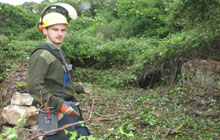
You will
learn how to raise young trees, manage and conserve woodland,
be aware of signs of disease, identify tree types and
understand and appreciate other woodland species. You will
also learn about tree surgery, safe use of power tools, tree
felling techniques and legislation as well as inspection of
trees.Names of courses in this field can include:
|
|
Tree surgery |
|
Arboriculture |
|
Forestry |
|
| |
|
|
|
Fisheries management
Fisheries management courses are
usually offered by specialist centres. The training can
include both the conservation as well as the faming side of
the industry but this will depend on the course. It could
include how to rear fish and maintain the fishery environment,
hygiene and fish health, how to spot and treat signs of
disease, tank maintenance and water treatment and supply.
Names of courses in this field can
include:
|
|
Land-Based Studies
(Fisheries) |
|
Fish
Management |
|
Fish Husbandry |
|
| |
|
|
|
|
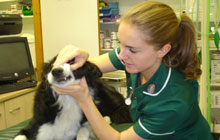
Veterinary Nursing
Veterinary Nursing courses focus on
veterinary practice, animal health and welfare, radiography (x
rays) and medical and surgical nursing. Often courses are
linking with existing training programmes of local veterinary
surgeries and certain parts of training can take place in the
work environment. This role often involves supporting the
veterinary surgeon during operations as well as cleaning of
equipment and surgery after use.Names of courses in this field
can include: |
|
|
|
|
|
Horse care
Horse care courses are often highly
practical courses and often linked will local stables.
Students will learn about horse welfare (such as grooming,
feeding and recognitions of signs of illness), aspects such as
conformation (horse physiology), riding techniques, stable
management and, depending on the course, riding
instruction.Names of courses in this field can include:
|
|
Horse management |
|
British Horse
Society |
|
Horse Care and Horse
management |
|
| |
|
|
|
Medical Science
Medical science courses are both
practical (in the laboratory) and classroom based; they
will cover things like Human Biology, Genetics and
Microbiology. They may well also cover techniques such
as X-rays and MRI scanning.
Names of courses in this field can
include: |
|
Applied Science
(Medical Science)
|
|
Science (Medical) |
|
Medical Science
|
|
| | |
|
|
|
Forensic Science
Forensic science is a popular way of
learning the practical application of a wide range of subjects
including Biology, Physics, Chemistry, Maths, Psychology and
Law. It also covers areas such as working in the science
industry, scientific investigation and techniques,
criminology, forensic collection and analysis, genetics and
genetic engineering
Names of courses
in this field can include: |
|
|
|
|
Applied Science
Applied science will give you the
opportunity to study within the Biological, Chemical and
Physical Sciences. It is a broad course involving practical
study and investigations. Depending on the course and options
you may also be able to study engineering, diseases and
infections, astronomy, physiology and also learn about career
paths and jobs in the industry.
Names
of courses in this field can include:
|
|
|
|
|
|
Mechanical
Engineering |
|
Engineering courses
cover skills ranging from computer aided design,
learning about mechanical systems such as pneumatics
(air powers systems) to the operation of lathes,
drilling machines and milling machines to make finished
items in steel and other materials. These are often
highly practical courses but also include classroom
aspects such as engineering drawing and calculations.
Some engineering courses combine elements of electrical
engineering.
Names of courses in
this field can include:
| | |
|
|
|
|
Electrical and
Electronic Engineering |
|
Electrical and Electronic courses
may include everything from the repair of PCs and
electronic production (manufacturing), through to
electrical maintenance, serving and manufacture of
heavier electrical items from washing machines to large
electrical motors. You will cover electrical circuitry
and testing, electronic components and wiring as well as
learning about a variety of electronic devices.
Names of courses in this field can
include:
| | |
Sport and fitness
courses |
|
|
|
Sport and fitness courses will vary
and it is a good idea to compare courses. They can
include elements of science such as learning about the
bones, muscles, heart, lungs and blood circulation. You
could learn about personal fitness as well as methods of
developing fitness in others. Other aspects can include
development of training regimes, fitness instruction and
training, sports injuries, sports leadership, coaching
and officiating (sometimes including particular awards
for certain sports), sports techniques, nutrition,
healthy lifestyles, psychology relating to sports
performance and business skills.
Names of courses in this field can
include:
| | |
Catering, Hospitality and Chefs
courses |
|
|
|
Some catering courses are quite
broad covering a variety of aspects of the business
including silver service waiting, housekeeping, bar
work, menu planning and food preparation and cooking.
Some will specialise in cooking techniques and you would
learn about frying, baking, roasting, grilling, poaching
to name a few. You will be using all kinds of fresh
foods, meats, fruit and vegetables and learn about safe
working practices in the kitchen as well as food safety
and hygiene.
Names of courses in
this field can include:
| | |
|
|
|
|
Art and Design |
|
Art and design courses can cover a
variety of aspects from graphic design to fine art
(painting), photography, ceramics (pottery) and
textiles. General Art and Design courses would give you
the opportunity to sample a variety of techniques and
media and these are a popular route into further
specialist training. You will usually need a portfolio
(folder of work) to show at interview.
Names of courses in this field can
include:
| | |
|
|
|
Media courses |
|
Media courses can cover a range of
aspects and courses may have a different angle. These
aspects can include film, journalism, video production,
advertising, public relations, marketing, TV and radio
production, visual media , animation, web marketing and
design
Names of courses in this
field can include:
| | |
|
|
|
|
Photography |
|
Photography courses will vary but
you will gain experience of a range of methods. This
might include film photography techniques including dark
room processing through to digital photography, media
suites, editing and online storage as well as printing,
display and marketing. You may also learn about
different types and techniques of photo taking from
portraiture (faces), to still life, landscapes and
experimental photography.
Names
of courses in this field can include:
| | |
Music and Performing
Arts |
|
|
|
Music and Music Technology
courses |
|
Music courses may cover a variety
of aspects from: employment opportunities in the
industry, music theory, music technology, composing,
arranging and performance. Students may be able to focus
on particular music styles and also choose particular
instruments (or vocals) to support their studies. Music
Technology courses make use of multi-track systems, both
computerised and studio and can cover management of
music events, performances and live production.
Names of courses in this field can
include:
| | |
|
|
|
|
Performing
Arts |
|
Performing Arts can offer a wide
range of aspects including dance, drama and music. For
courses which include all three together you may need to
be prepared to be involved in each area. You will be
involved in productions and performing but there are
also classroom elements such as event planning so it is
important to check this to make sure the course suits
you.
Names of courses in this
field can include:
| | |
|
|
|
|
Dance |
|
Dance courses cover a wide range of
dance types and there may be an opportunity to focus on
areas of interest. Aspects covered may include:
performance, appreciation of dances, choreography, dance
planning, principles of health, fitness and safe dance
practice, basic anatomy of a dancer, understanding the
relationship of music to dance, varieties of music to
dance to, creating, developing and assisting with the
performance of a simple dance piece, create dance pieces
to teach to others, leadership skills in dance, dance
Improvisation
Names of courses
in this field can include:
|
Performing
Arts Dance |
|
Dance Leadership |
|
Dance |
|
| | | |
|
|
|
|
Public Services
courses aim to develop an understanding of roles within
the Police, Emergency, Fire Services, Security, Prison
Services and the Armed Services. Courses include aspects
such as teamwork development, nutrition and lifestyle,
fitness (including improvement of personal health and
fitness), participation in outdoor adventurous
activities to develop leadership, discipline and trust,
understanding of the impact of crime and volunteering
including a volunteering activity.
Names of courses in this field can
include:
|
Uniformed
Public Services |
|
Public Services
(uniformed) |
|
Public
Services |
|
| | | |
|
|
|
|
Child Care |
|
Child care courses include aspects
such as child development (life stages of babies and
children), supporting children’s play and learning, how
to making sure children are safe, basics of child health
and nutrition and developing skills and attitudes for
working with children. In many cases you will also have
the opportunity to gain experience with children in a
nursery, school, crèche or through activities organised
by the college
Names of courses
in this field can include:
| | |
|
|
|
|
Health and Social Care |
|
Health and Social
Care courses focus on the development of skills in
career areas relating to the care and support people of
all ages with a variety of individual care needs.
Courses include elements such as communication,
equality, diversity and rights, security, protection
from harm and abuse, decision making, assessment of care
needs, risk assessments, medication, development through
the life stages, anatomy and physiology (aspects of
human biology). You will learn how to communicate
effectively with people working in the care sector and
how to be responsible for health and safety aspects of
individuals and their surroundings.
Names of courses in this field can
include:
|
Health and
Social Care |
|
Children and Young People
Workforce |
|
Child
Care |
|
| | | |
|
|
|
|
Hairdressing |
|
Hairdressing courses
combine practical skills such as shampooing, hair
cutting techniques, plaiting, styling and finishing but
is also covers other aspects such as communicating with
clients, giving advice, sales techniques and reception
duties. You will also learn the theory side which
includes things like health and safety in the workplace,
learning about perming and colouring hair.
Names of courses in this field can
include:
|
Hairdressing |
|
Barbering |
|
Woman’s
Hairdressing |
|
Hair and
Beauty | | | |
|
|
|
Beauty Therapy |
|
Beauty Therapy courses cover things
like manicure, pedicure (foot care), facial treatments,
eye treatments, waxing and make up. You will usually
have the opportunity to try out treatments and possibly
go on trips. As well as practical aspects there is also
theory including health and safety, learning about
products and the structure of the skin and
treatments.
Names of courses in
this field can include:
| | |
|
|
|
|
Motor mechanics courses include the
opportunity to learn about cars and other vehicles in
detail. You will learn about the braking system,
transmission (gears), electrical system, fuel system,
wheels, tyres and the engine itself. Depending on the
course you could cover aspects of body repair including
welding and paint spraying. There will be practical
aspects as well as theory where you will learn about
health and safety in the workshop, understanding manuals
and use of tools and equipment.
Names of courses in this field can
include:
| | |
|
|
|
|
How to look up and apply for
courses
Most full time courses in
Kent are listed on www.kentchoices4u.com. You can apply for
courses using the system if you have an unlock code (which
will be sent to you during the first term of year 11). You can
then go into the system and choose your own password and user
name. If you have not received an unlock code ask your careers
teacher or careers adviser for help.
The system will
enable you to select courses onto “my courses”. From here you
can apply to a particular organisation and the system will
take you through a standard application form. It is important
to remember that this is how the school or college will select
suitable applications so make sure you take time over the
application
Important things to
remember (do’s and don’ts) |
|
You can message the
school or college you are applying to or your adviser if
you have any questions. Generally speaking you will
hopefully be able to find the courses you want by typing
in the name of the course such as “carpentry”. To make sure you
have captured all of the courses in the area you can
also try a search using other related words, for example
Construction and Wood
Occupations.
Another way to make
sure you have all possible courses it is to do a
“provider search” using the provider tab on the main
search page. This way you can check courses offered, for
example, by a particular college or school in the
area. | | |
|
|
 |
|
|
|